
MBI Graduate program: ME:120.726
Molecular & Cellular Visualization
Offered: Third/Fourth Quarter, First Year
Instructors: Corinne Sandone, Professor, Course Director
Lydia Gregg, MA, CMI, Associate Professor
Fabian de Kok Mercado, MA, CMI, Adjunct Assistant Professor
Graham Johnson, MA, CMI, PhD, (Faculty Fellow – UCSF), visiting faculty
Veronica Falconieri, MA, CMI, guest lecturer
Credits: 3 credits
summary
This course will provide an in-depth review of structural and cell biology for the medical illustrator, including methods for background research and strategies for visually depicting molecular and cellular data. The course will introduce size relationships and scientific data that must be considered when illustrating on molecular and cellular scales.
Course Description
Objectives
• Provide an in-depth overview of structural and cell biology topics for the medical illustrator, including background research and visualization methods.
• Cover strategies for addressing relative scale and integrating scientific data when visualizing molecular and cellular environments.
Assignments
Students will develop their skills through lectures, demonstrations, tutorials and class exercises, including:
1. Lecture assignments from Scientific Foundations of Medicine Macromolecules and Cell Physiology courses
2. Full color illustration assignment
3. Molecular visualization lab assignments
Resources
- Class lectures and demonstrations
- Online cellular and molecular databanks
- Print and digital reference books
- Macintosh computer hardware, stylus-based input devices, and printers
- Software and plugins with associated tutorials
Student Evaluations
- An illustration assignment
- In-class exercises and discussion participation
- Final exam
Schedule
Refer to 1st year calendars and syllabi.
Student Artwork
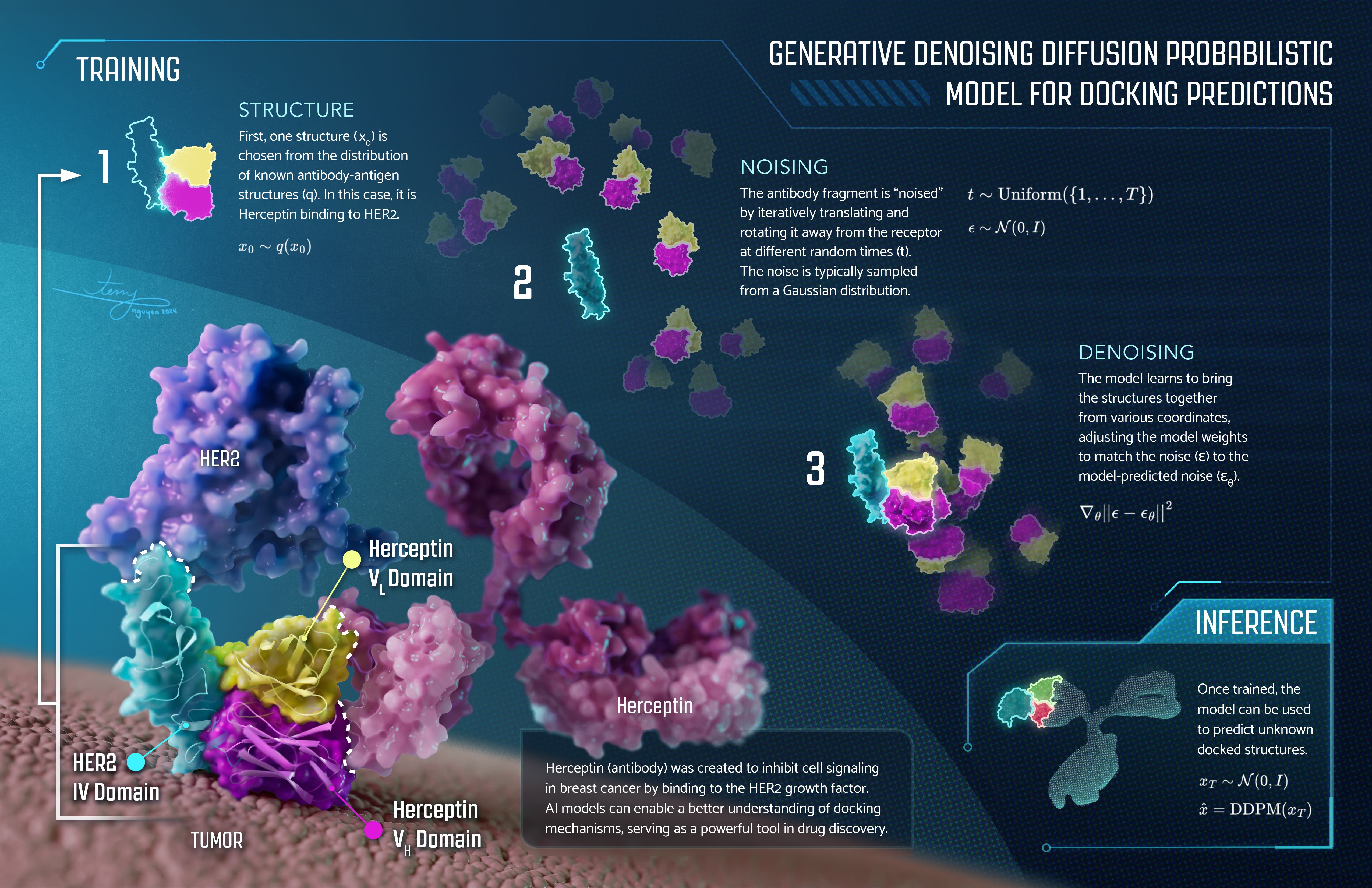
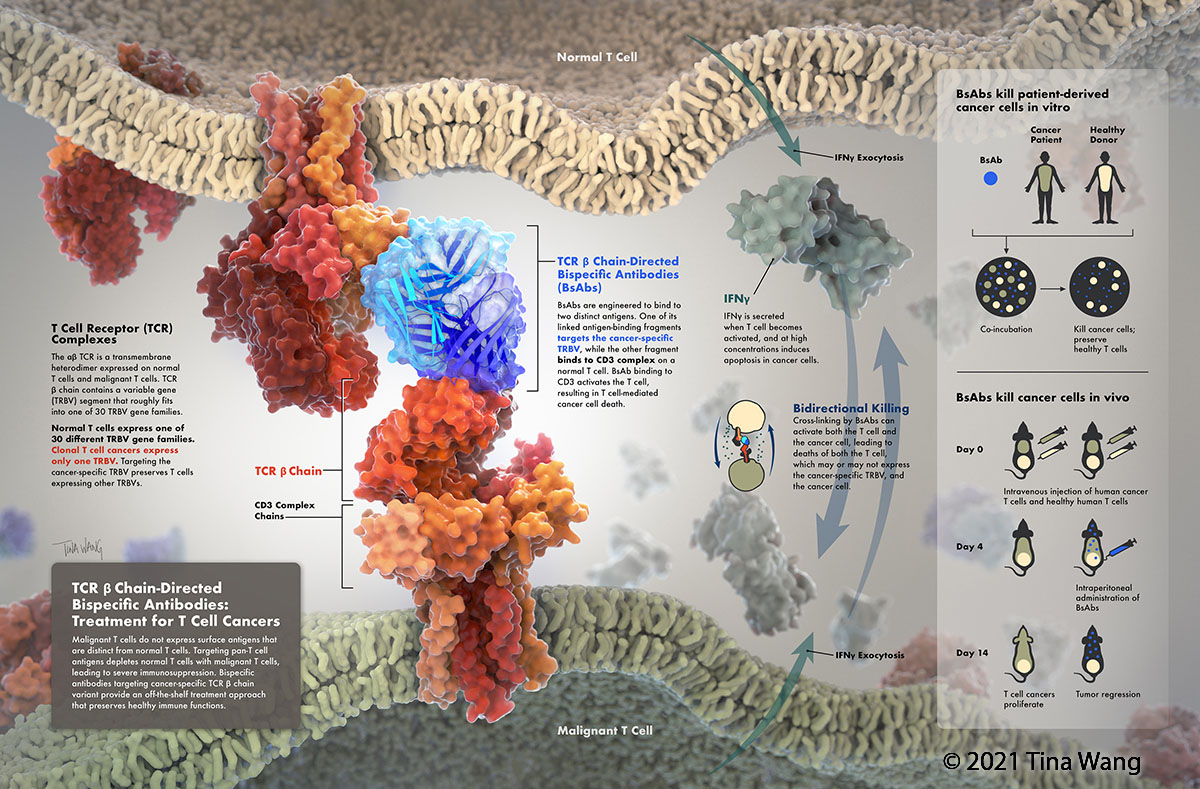
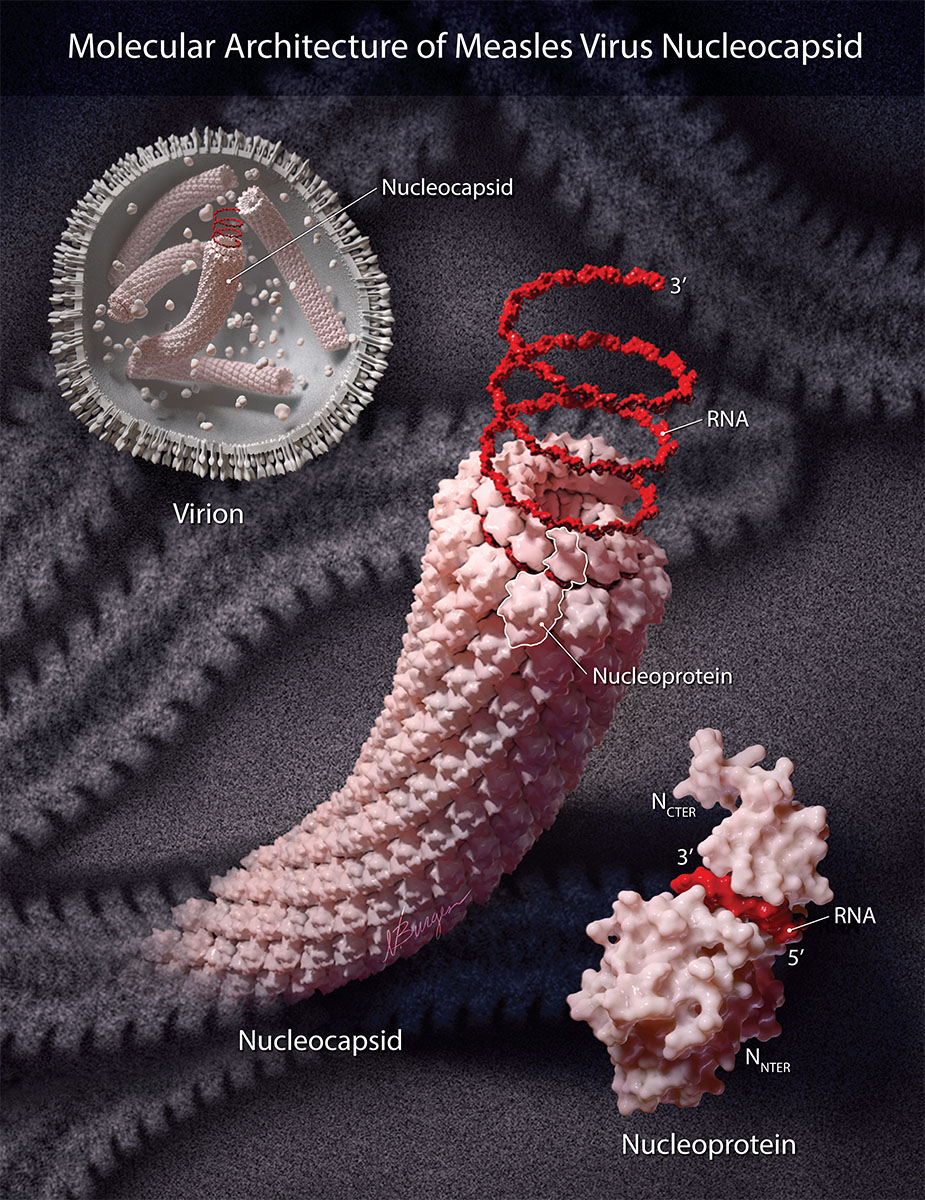
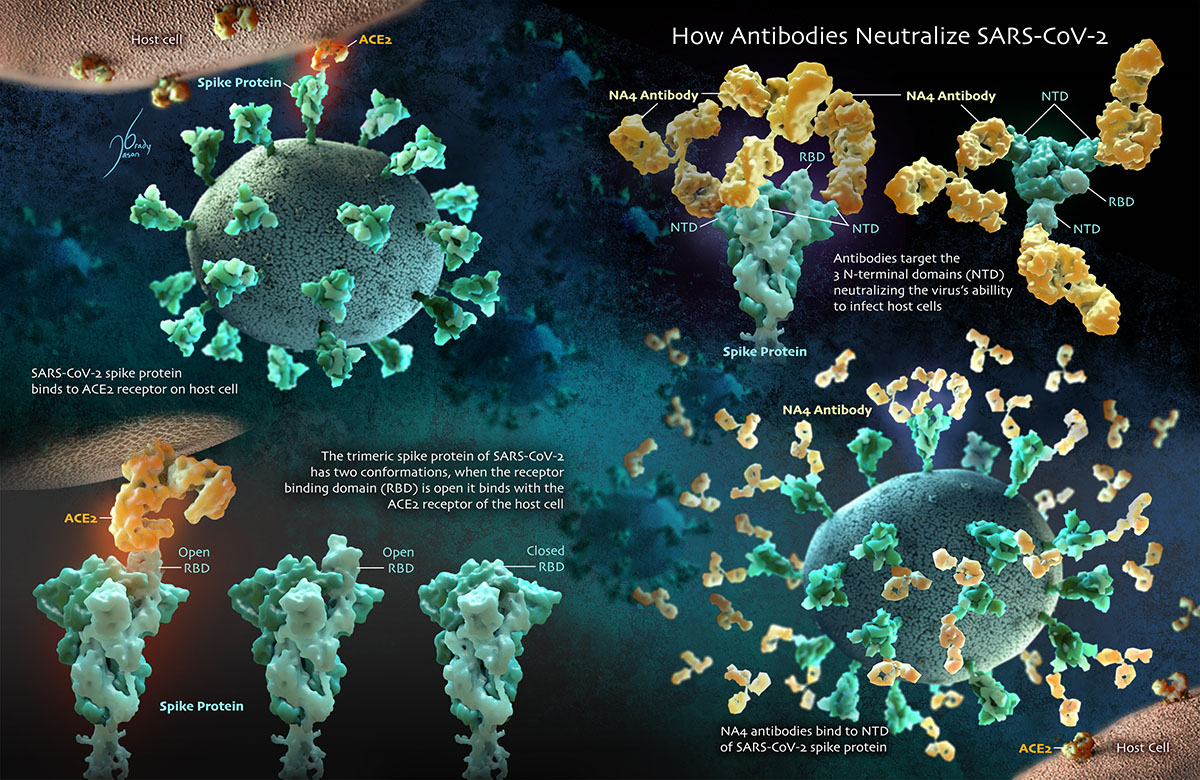
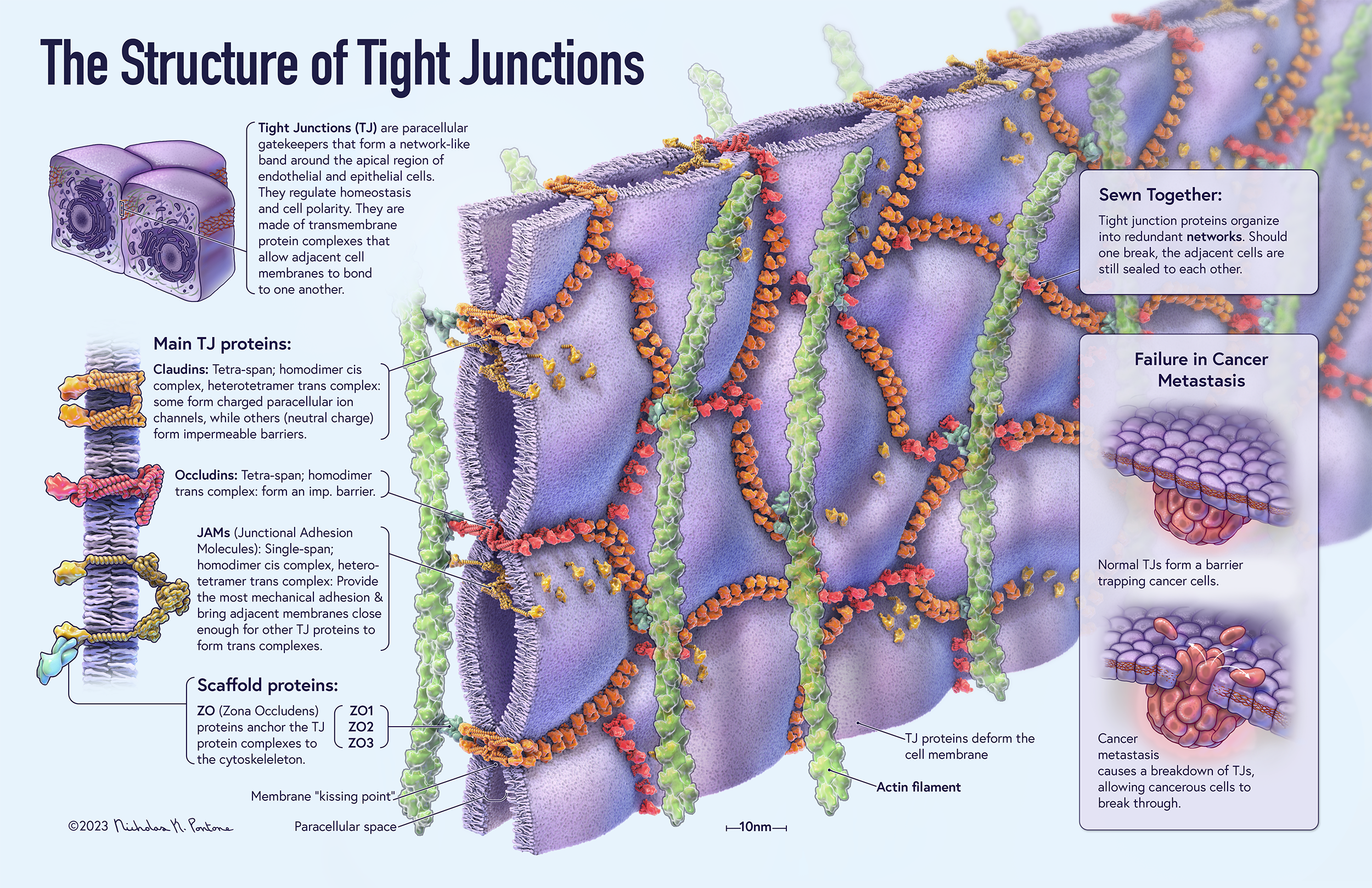
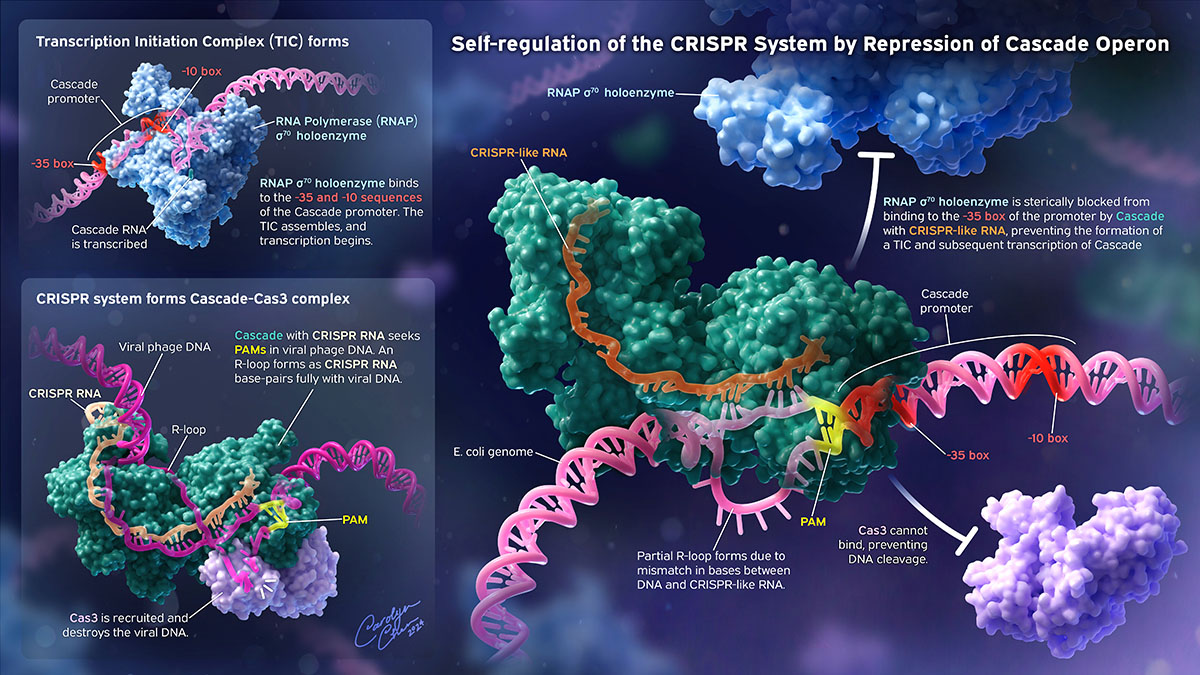
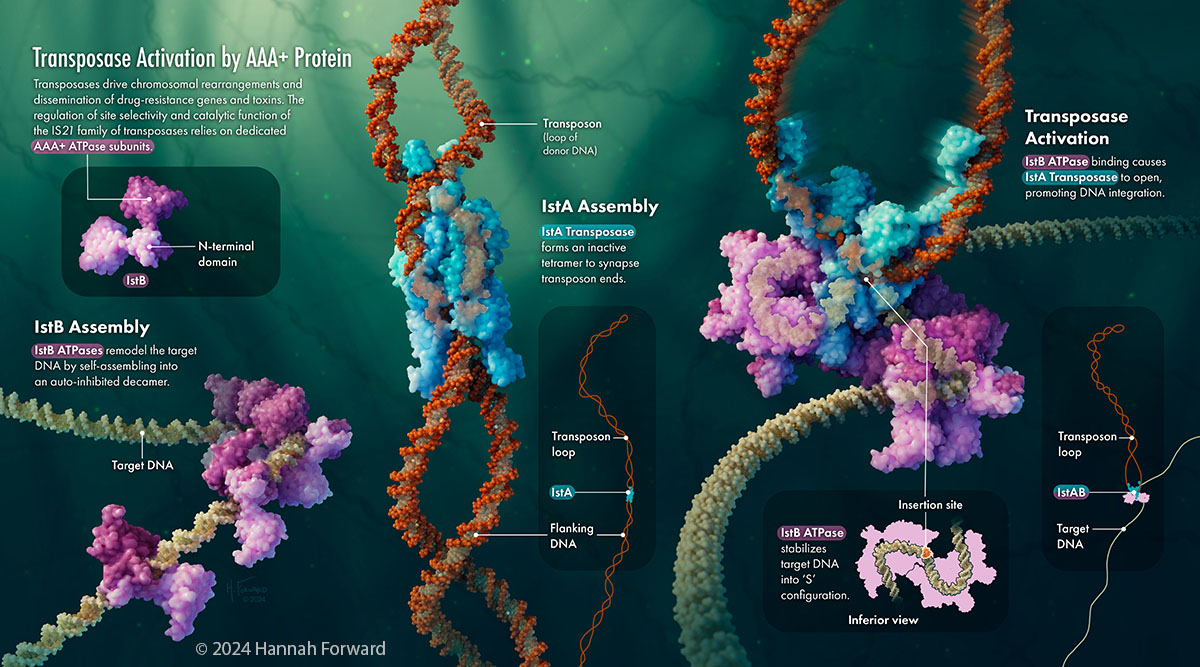
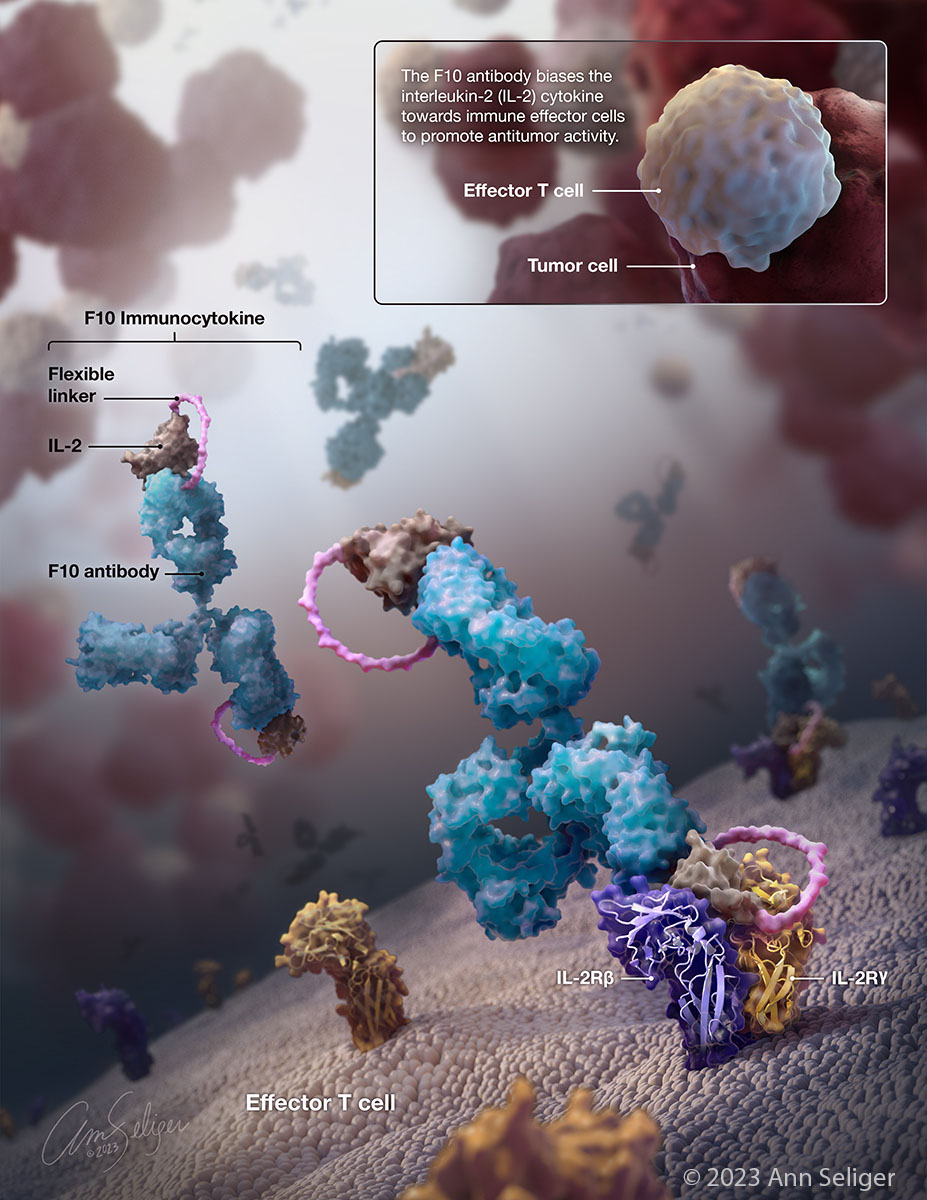
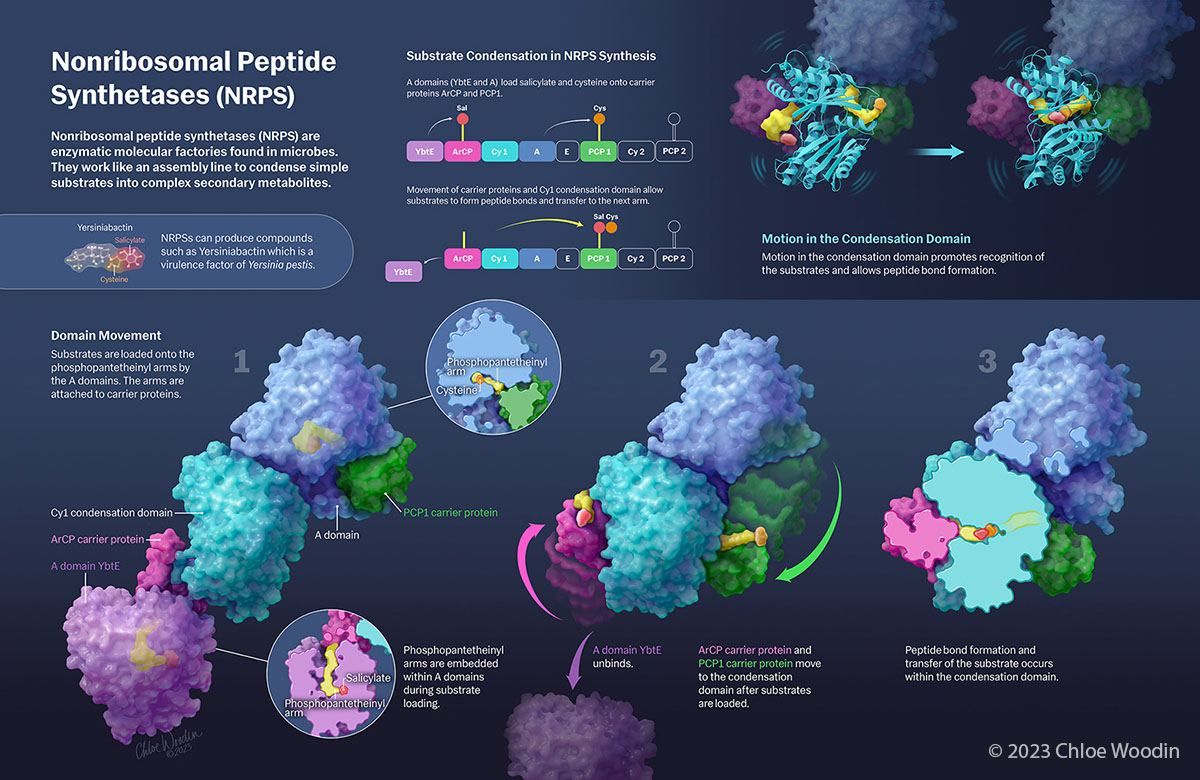
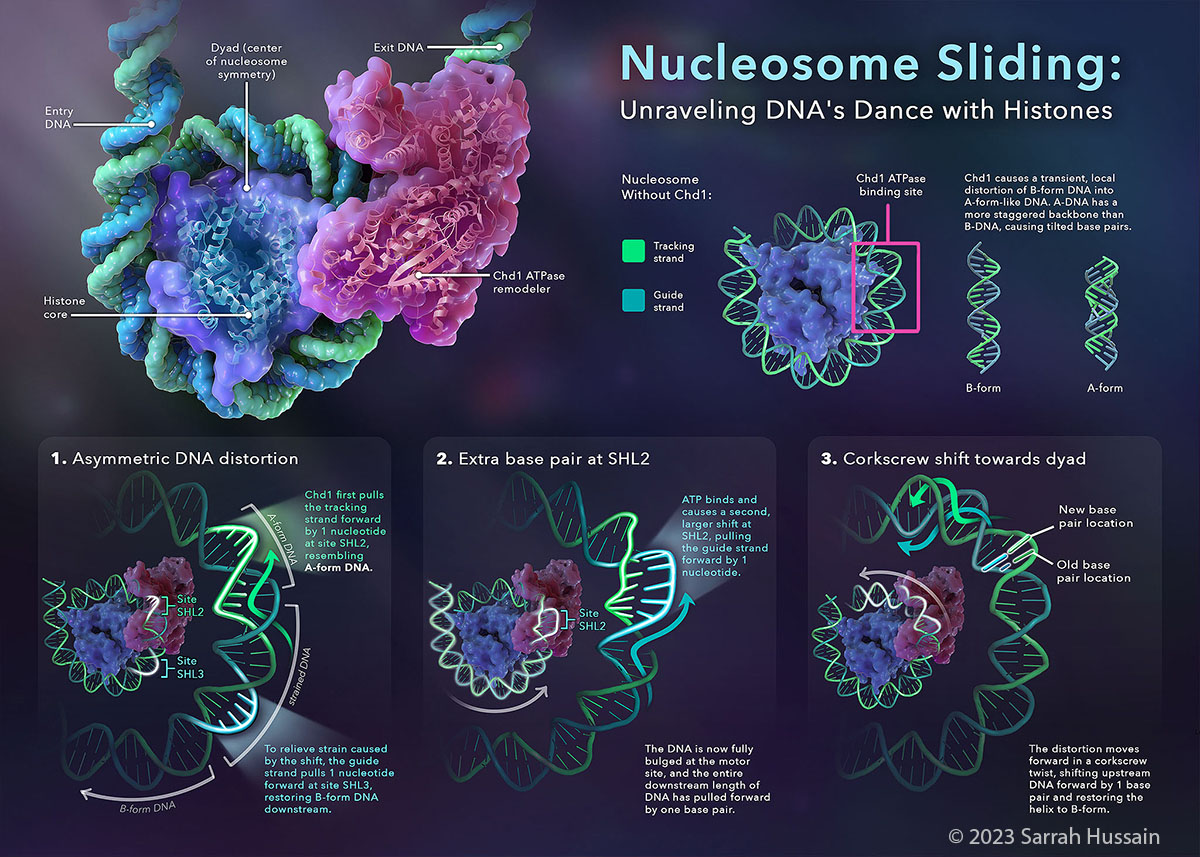
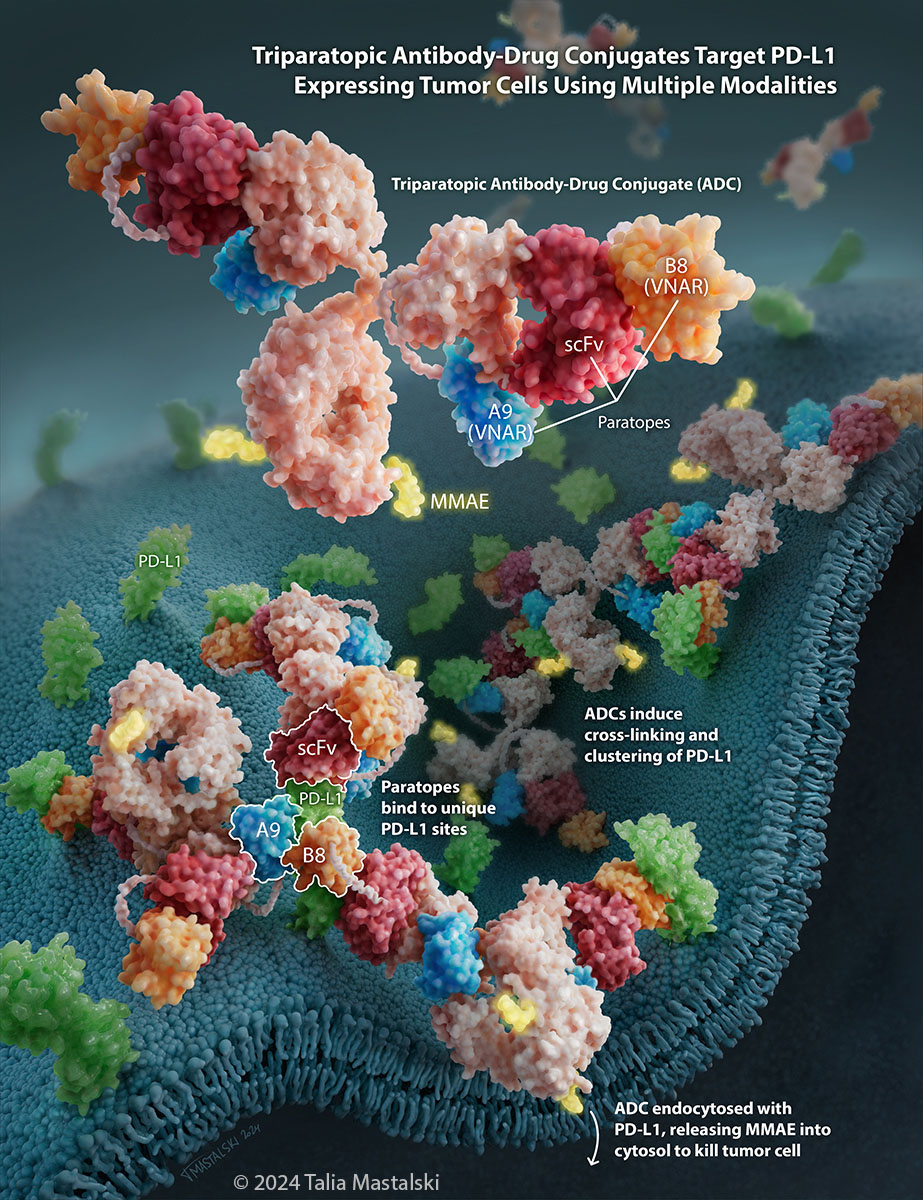
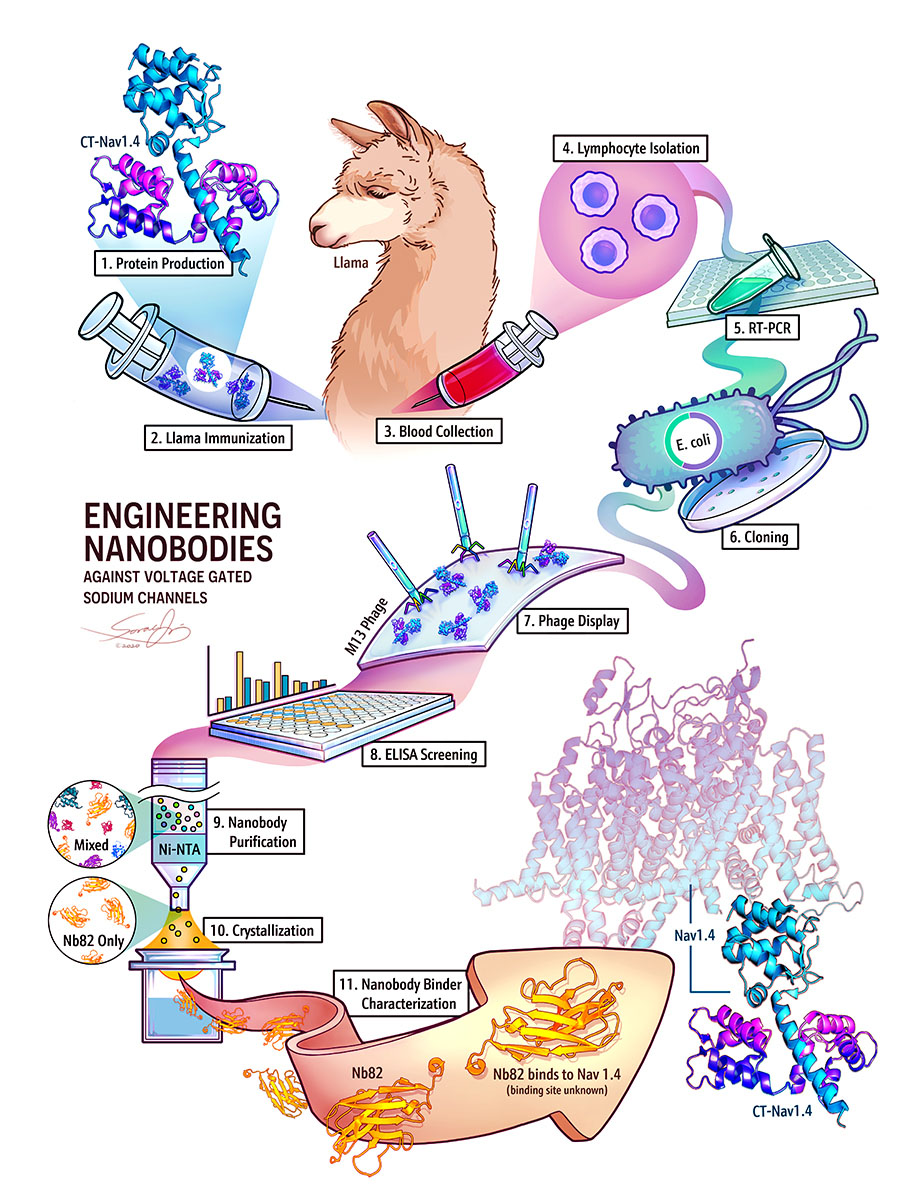
Gallery of Molecular Illustration
The health and wellness of students are of utmost importance to us here at Johns Hopkins. If you are struggling with anxiety, stress, depression, or other wellbeing-related concerns, please consider contacting Mental Health Services at 410-955-1892 or one of the other wellness resources within Student Health and Well-Being. If you are concerned about a friend, please encourage that person to seek out support. If you or someone you know needs immediate assistance for a mental health concern, please call the Behavioral Health Crisis Support Team at 410-516-9355.
Students who would like to request disability-based accommodations should contact the Disabilities Service Coordinator, Ellen Kaplan, at [email protected] or complete the online accommodations application. Documentation guidelines are provided on the application.